Square Enix
Turning scattered guidance into something people could actually find and use.
Executive Summary: The accessibility knowledge was there. It just wasn't findable. Guidance was spread across SharePoint folders, individual documents, and institutional memory — which meant teams either couldn't find it in time, found conflicting versions, or didn't look at all. I designed an internal service to fix that: centralized, structured, and built into the tools teams already used. The test wasn't whether it existed. It was whether people actually used it. They did.
Results
On-the-ground wins
- Centralized trusted accessibility guidance into a single, findable internal service
- Improved consistency of accessibility integration across product teams
- Accelerated onboarding through structured, searchable knowledge pathways
- Enabled reliable, fast answers by becoming the primary source for an internal AI assistant
- Increased adoption of accessibility standards through improved usability and clarity
The bigger picture
- Evolved a static resource into a living service embedded in delivery workflows
- Strengthened organizational accessibility maturity across regions
- Established a sustainable knowledge foundation through SharePoint migration
- Extended accessibility beyond documentation into real-time operational support
- Reinforced long-term cultural adoption by embedding accessibility into everyday tools
The challenge: Knowing something isn't the same as being able to find it when you need it. Accessibility expertise existed at Square Enix, but it was fragmented — living in different tools, different documents, and different people's heads depending on the region. Teams were working from inconsistent sources of truth. Adoption varied. And the knowledge wasn't where people actually worked. The problem wasn't a lack of content. It was a lack of a service.
My Role: Accessibility Manager / Service Design, Experience Design, UX, Front-end
The Team: Accessibility Lead, IT Service Management, Analytics & Insight, and Cross-functional Reviewers
My Approach:
- 1. Mapped the knowledge ecosystem
- Analyzed how teams accessed accessibility guidance across the delivery lifecycle
- Identified friction, duplication, and gaps in discoverability
- Defined priority use cases through interviews and usability testing
- 2. Designed the internal accessibility service
- Redesigned information architecture and core user journeys
- Created wireframes and interactive prototypes
- Implemented front-end using custom HTML and CSS
- Migrated to SharePoint to align with enterprise standards and ensure long-term sustainability
- 3. Enabled adoption and scale
- Led training and company-wide sessions to drive adoption
- Partnered with internal teams to integrate the hub into an AI chatbot as a verified source of truth
- Embedded accessibility knowledge into everyday workflows and tools
Note: This was an internal platform, so live screenshots are not available.
View all projects Close
- Square Enix: Varioius Projects Work covered: Accessibility, UX, Visual, Web, and QA
- Square Enix: Accessibility Hub
- Equal Entry: Website and Knowledge Base Redesigns , Work covered: Accessibility, UX, Visual, and Web
- Medi Me: Medical Records App , Work covered: Accessibility, UX, Visual, and Web
- Weight Watchers: Responsive Signup , Work covered: Accessibility, and UX
- Weight Watchers: Marketing Website , Work covered: Web
- Shoogies NYC: Homemade Baby Food E-Commerce , Work covered: UX, Visual, and Web

Image Caption: Wireframe of the landing page — three-column layout, top navigation with dropdowns, a card-based topic hub, and a latest accessibility news feed.
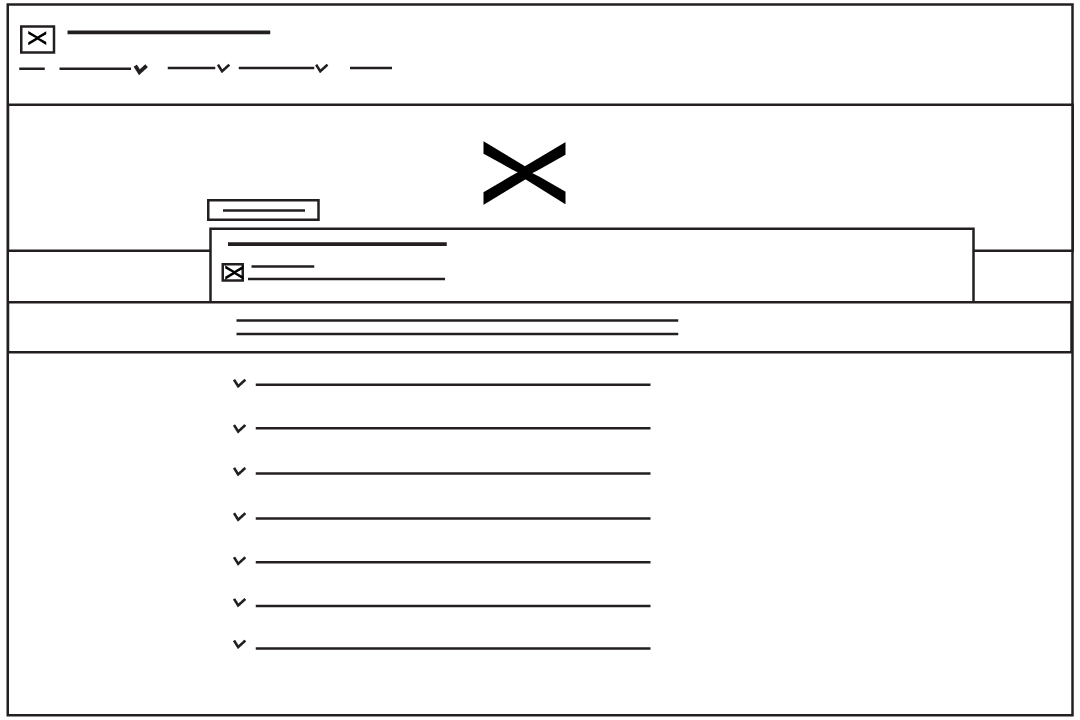
Image Caption: Wireframe of the video resources section — masthead image, main and sub-category titles, and collapsed accordion sections.

Image Caption: Wireframe of the video resources section — accordion expanded, showing content in context.

Image Caption: Wireframe of the book resources section — masthead image, sub-category titles, and a three-column layout with book details and links.